

Top 4 Cylinder Diesel Engine Manufacturer Strengthens Power Solutions for Industrial Applications
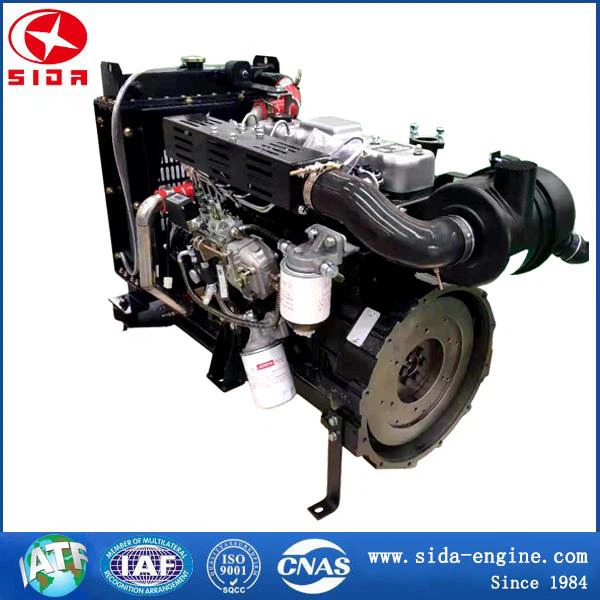
Diesel Engine Powered Generators
WUXI, JIANGSU, CHINA, October 10, 2026 /EINPresswire.com/ --
As demand grows for dependable power systems and versatile industrial machinery, Jiangsu SIDA Power Machinery Group Co., Ltd. continues to serve the market with diesel engine technology and related equipment for a range of commercial and industrial applications. Based in Wuxi, Jiangsu Province, China, the company has a history dating back to 1984 and focuses on the development, production, and sales of diesel engines. Its product portfolio includes four-cylinder diesel engines, Diesel Generator solutions, and Wheel Loader equipment, connecting engine manufacturing with the power generation, construction, agricultural, and material-handling sectors. As businesses seek machinery that balances operational reliability, practical performance, and long-term serviceability, SIDA’s range reflects the continuing role of diesel power in industries where consistent output and flexible equipment choices remain important.
Four-Cylinder Diesel Engines Remain Relevant Across Multiple Industries
Four-cylinder diesel engines are widely used in equipment that requires a practical combination of power, torque, compact dimensions, and manageable maintenance. Their applications span agricultural machinery, construction equipment, light commercial vehicles, industrial power systems, water pumps, and generator sets. For businesses operating in these sectors, engine selection is an important decision that affects not only machine performance but also fuel use, maintenance planning, and operating costs.
The four-cylinder configuration offers a balance between engine size and output that can suit many medium-duty applications. Compared with larger engine configurations, a four-cylinder unit may be easier to package within compact machinery. Its suitability, however, depends on the engine design, displacement, aspiration method, cooling system, operating speed, and the load profile of the equipment in which it is installed.
Jiangsu SIDA Power Machinery Group Co., Ltd. produces a range of four-cylinder diesel engines, including models identified on its official website as 485/490, 488, 4100/4102, 4105, and 4108. The company lists naturally aspirated, turbocharged, and turbocharged intercooled configurations, with a stated power range of approximately 20 to 160 horsepower across its engine offerings. These variations allow buyers to assess different options according to their application and required output.
Naturally aspirated engines may be appropriate for certain applications where simplicity and operating conditions are the primary considerations. Turbocharged engines use exhaust energy to increase the air supplied to combustion, potentially supporting higher output from a given engine displacement. Turbocharged and intercooled configurations further cool the compressed intake air, helping the engine manage its intake conditions. The most suitable option depends on the intended duty, environmental conditions, required torque, emissions requirements, and equipment design.
For procurement teams, a useful evaluation goes beyond horsepower figures. Rated power and torque curves, rated speed, fuel consumption under representative loads, cooling capacity, service intervals, spare-parts access, and compatibility with the host machine should all be reviewed. Matching the engine to its application helps reduce the risk of excessive loading, inefficient operation, or premature component wear.
Engineering and Manufacturing Experience
SIDA’s history is closely associated with the Wuxi Diesel Engine Factory, from which the business emerged. Its official company information identifies 1984 as a key founding year and describes the organization as an enterprise integrating diesel engine development, manufacturing, and sales. Over time, its product range has extended into several equipment categories associated with industrial power and machinery.
Experience in engine manufacturing can be valuable because an engine is a complex system involving combustion, fuel delivery, lubrication, cooling, intake, exhaust, and mechanical transmission of power. Each subsystem must function in coordination with the others to deliver consistent performance. Manufacturing quality, assembly precision, component selection, and production testing all influence how an engine performs in service.
For buyers considering SIDA engines, the practical question is how a particular model meets the requirements of the intended machine. Construction equipment may demand strong low-speed torque and the ability to cope with changing loads, while generator applications require stable operation at the specified speed and suitable compatibility with the alternator and control system. Agricultural machinery may have different duty cycles and environmental exposure from stationary industrial equipment.
A clear technical discussion before purchase can help determine whether an engine is appropriately matched. Buyers should provide details about the operating environment, expected daily running hours, load profile, installation space, cooling arrangement, and applicable emissions regulations. Where an engine is intended for original equipment manufacturing, its interface dimensions and connection points should also be confirmed.
Diesel Generator Solutions for Dependable Power Supply
Diesel Generator systems remain important in applications where dependable electricity is essential, including construction sites, industrial facilities, commercial buildings, farms, and locations with limited grid access. Depending on the system configuration, a diesel generator may provide standby power during an outage, primary electricity in off-grid settings, or support for operations with particular power requirements.
A diesel generator combines a diesel engine with an electrical generator, commonly referred to as an alternator, along with supporting systems such as controls, cooling, fuel delivery, and protective equipment. The engine converts fuel energy into mechanical power, while the alternator converts that power into electricity. Overall performance depends on the correct coordination of these components and the suitability of the complete set for its intended load.
Jiangsu SIDA Power Machinery Group Co., Ltd. lists Diesel Generator among its product categories and offers diesel engines intended for generator applications. Engine selection is central to the performance of a generator set because the engine must provide the mechanical power needed to meet the required electrical output under the expected operating conditions.
When evaluating generator equipment, buyers should first determine the total connected load and identify which electrical loads are critical. Motors, pumps, compressors, and other equipment may draw higher current during startup than during normal operation. The generator therefore needs to be selected not only according to its nominal output but also according to load characteristics, starting requirements, and the expected sequence of operation.
Other considerations include voltage and frequency, phase configuration, ambient temperature, altitude, noise restrictions, installation ventilation, and fuel storage arrangements. Standby systems may require automatic transfer equipment and regular testing, while prime-power applications may need a different operating and maintenance plan.
Fuel efficiency is another important factor, but it should be evaluated under realistic loading conditions. A generator that operates for long periods at an unsuitable load may not deliver the expected efficiency or service life. Buyers should request the relevant performance data and confirm the recommended operating range for the selected model.
Maintenance arrangements should also be considered before purchasing. Routine checks of engine oil, coolant, filters, fuel systems, belts, hoses, and electrical connections can help identify developing issues. The maintenance schedule should follow the manufacturer’s documentation and reflect the actual duty cycle and operating environment. Access to appropriate replacement parts and qualified technical support can further contribute to dependable operation.
Wheel Loader Applications in Construction and Material Handling
Beyond engine products and power generation, SIDA’s product portfolio includes Wheel Loader equipment, a machine category widely used in construction, aggregate handling, agriculture, industrial yards, and material storage operations. Wheel loaders use a front-mounted bucket and articulated or other steering arrangements, depending on the design, to collect, lift, transport, and discharge loose materials.
Typical applications include moving sand, gravel, soil, crushed stone, agricultural materials, and industrial bulk products. In suitable configurations, loaders may also handle pallets or other materials with compatible attachments. Their mobility makes them useful in work areas where materials must be moved between stockpiles, loading zones, and transport vehicles.
A wheel loader’s productivity depends on several factors, including bucket capacity, engine output, operating weight, traction, hydraulic performance, turning radius, and the layout of the worksite. The machine must be matched to the material being handled and the distance over which it will travel. A large bucket may appear attractive, but it will not necessarily improve output if the machine lacks sufficient capacity, traction, or hydraulic performance for the application.
The engine plays a central role in loader operation. It supplies power for movement and supports the hydraulic systems used to raise, lower, and tilt the bucket. Depending on the machine design, engine characteristics can influence digging performance, travel speed, fuel use, and the ability to maintain productive cycles under load.
For buyers comparing Wheel Loader options, important evaluation points include rated operating capacity, bucket design, breakout force, lifting height, tire selection, operator visibility, cab ergonomics, and service access. Safety features, stability, braking performance, and compliance with applicable local regulations should also be checked. The equipment should be operated on appropriate surfaces and within the manufacturer’s rated limits.
SIDA’s presence in both engine-related and machinery categories gives buyers an opportunity to explore its wider equipment offering. Nevertheless, purchasers should confirm the technical specifications of the particular Wheel Loader model and assess its suitability for the intended job rather than assuming that every configuration is appropriate for every site.
Balancing Performance, Fuel Use, and Maintenance
Industrial customers increasingly assess machinery according to total operating cost rather than purchase price alone. Fuel consumption, scheduled servicing, replacement parts, downtime, and operator requirements all contribute to the cost of ownership. An engine or machine that is not correctly matched to the work may increase costs even if its initial price is competitive.
For diesel engines, regular maintenance of the fuel, lubrication, cooling, and air intake systems is particularly important. Contaminated fuel, restricted airflow, inadequate cooling, or incorrect lubrication can affect performance and contribute to wear. Operators should follow the recommended service intervals and use fluids and replacement components that meet the manufacturer’s specifications.
Generator operators should also ensure that the set is tested and maintained according to its role. Standby equipment may run infrequently but still needs periodic inspection and functional testing to ensure readiness. Equipment used for continuous or prime power may require more frequent servicing based on accumulated operating hours and load conditions.
Wheel loaders operate in environments where dust, vibration, heavy loads, and uneven surfaces can accelerate wear. Regular inspection of tires, hydraulic hoses, bucket edges, joints, filters, and other high-use components helps maintain operational readiness. Operator training and correct work practices are equally important for safety and productivity.
These considerations demonstrate why technical support and access to documentation are valuable elements of an equipment purchase. Buyers should clarify warranty coverage, service responsibilities, parts availability, and the procedures for addressing technical issues before finalizing a procurement agreement.
Supporting Different Customer Requirements
Industrial and equipment buyers rarely have identical needs. A machinery manufacturer may require an engine that fits a particular installation and can be supplied in consistent quantities. A farm may prioritize equipment that is straightforward to service in its region. A construction contractor may focus on machine productivity, reliability under variable loads, and support during demanding work schedules.
Manufacturers serving these markets must provide enough technical information for customers to make informed decisions. Important documents can include engine specifications, installation requirements, operation manuals, maintenance schedules, and applicable conformity or certification information. For export transactions, buyers should also confirm the requirements of the destination market, including emissions standards, electrical specifications, documentation, and any local registration requirements.
SIDA’s official website highlights diesel engine products and associated equipment, while its product listings include Diesel Generator and Wheel Loader categories. Buyers can use these product categories as a starting point for identifying equipment of interest and requesting more detailed information. The final selection should be based on the technical data for the specific model, the intended operating conditions, and the support arrangements available to the customer.
As construction, agriculture, logistics, and industrial power users continue to require dependable equipment, four-cylinder diesel engines remain relevant across a range of applications. Their value depends on sound engineering, appropriate application matching, regular maintenance, and responsible operation. For customers evaluating potential suppliers, a detailed technical review is an important step toward securing equipment that meets both immediate production needs and longer-term operating objectives.
About Jiangsu SIDA Power Machinery Group Co., Ltd.
Jiangsu SIDA Power Machinery Group Co., Ltd. is a machinery manufacturer based in Wuxi, Jiangsu Province, China. Established in 1984, the company focuses on the development, production, and sales of diesel engines and related machinery. Its product range includes four-cylinder diesel engines, Diesel Generator products, Wheel Loader equipment, forklifts, diesel engine sets, and engines for industrial, agricultural, and construction applications. The company lists several four-cylinder engine series and configurations, with product options designed for different power requirements and operating conditions. Buyers interested in technical specifications, equipment availability, or potential cooperation can visit the company’s official website at www.sida-engine.com.
Address: NO.66, Zhongxing East Road, Luoshe Town, Huishan District, Wuxi City, Jiangsu Province
Official Website: https://www.sida-engine.com/
Muyuan
Jiangsu SIDA Power Machinery Group Co., Ltd.
hwsy@jssd-power.com
Legal Disclaimer:
EIN Presswire provides this news content "as is" without warranty of any kind. We do not accept any responsibility or liability for the accuracy, content, images, videos, licenses, completeness, legality, or reliability of the information contained in this article. If you have any complaints or copyright issues related to this article, kindly contact the author above.
